Why Home Solar Batteries Are Selling Out This Year
Solar & Renewable Energy
Home solar batteries are selling out this year faster than many homeowners expected. More people want control over their power, lower bills, and backup energy during outages. This growing demand has pushed supplies to their limits in many regions.
New buyers are noticing the rush and wondering what is really happening. For beginners, the biggest concern is understanding why these systems are suddenly in such high demand and whether buying now makes sense.
What Is Driving The Surge In Home Solar Batteries This Year
Home solar batteries are no longer seen as optional add-ons. Many households now view them as a core part of modern energy use. Rising power prices, unstable grids, and better technology have all combined to increase interest.
People who already own solar panels want to store their extra power instead of sending it back to the grid. New solar buyers are planning storage from day one to avoid future upgrades.
How Power Outages And Grid Instability Are Fueling Demand
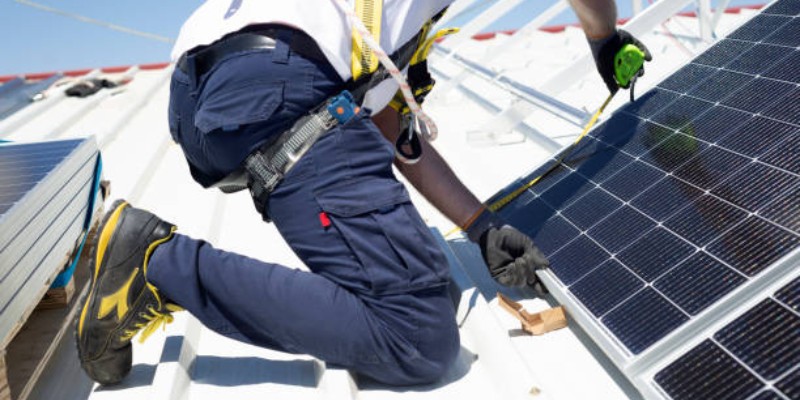
Power outages have become more common in many areas. Storms, heat waves, and aging infrastructure are pushing grids beyond their limits. Home solar batteries provide stored energy when the grid goes down.
Families want lights, refrigeration, internet, and medical devices to keep running. This real-world need has turned backup power from a luxury into a practical necessity.
Falling Costs And Better Technology In Home Solar Batteries
Improvements In Battery Lifespan And Efficiency
Modern home solar batteries last longer and store more energy than older models. Improved lithium battery chemistry allows more charge cycles with less performance loss over time.
This makes storage systems more attractive to long-term homeowners who want reliability without frequent replacements.
Price Drops Compared To Previous Years
Large-scale manufacturing and increased competition have reduced average prices. While installation still costs money, the long-term value is clearer now than before.
As more systems are produced, buyers feel more confident that home solar batteries are becoming mainstream rather than experimental.
Why Government Incentives Are Pushing Home Solar Battery Sales
Government policies supporting clean energy have increased adoption. Incentives tied to energy storage make batteries more affordable for households that qualify.
Energy agencies encourage home solar batteries because they reduce grid strain during peak demand. Programs supported by institutions like national energy agencies help normalize battery adoption without aggressive promotion.
Home Solar Batteries As A Solution To Rising Energy Bills
Electricity rates continue to climb in many regions. Home solar batteries allow households to store energy during low-cost periods and use it during expensive peak hours.
This helps families avoid sudden bill spikes. Over time, the savings can offset part of the installation cost, especially in areas with time-of-use pricing.
How Electric Vehicles Are Increasing Home Solar Battery Adoption
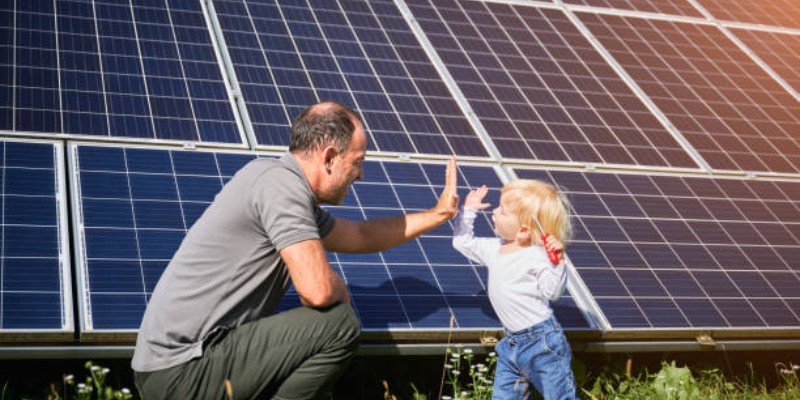
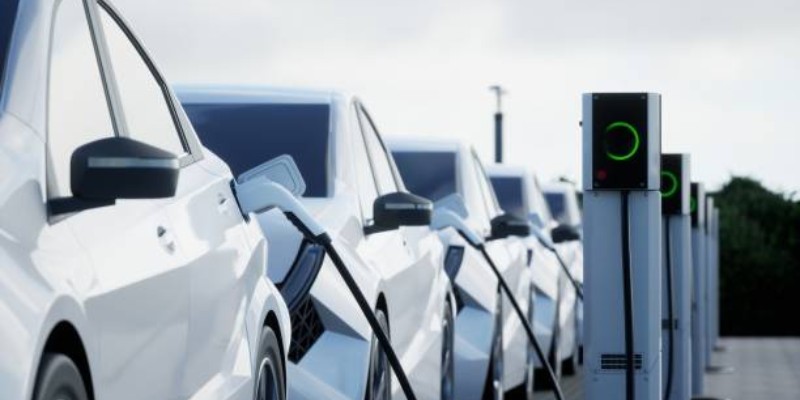
Electric vehicles increase household electricity usage. Charging at home often happens at night, when solar panels are not producing power.
Home solar batteries store daytime energy for nighttime charging. This pairing makes energy use more efficient and reduces dependence on public charging networks.
Supply Chain Issues And Why Home Solar Batteries Are Hard To Find
Global Manufacturing Constraints
Battery production depends on materials like lithium and nickel. Global demand from electronics and vehicles has tightened supply chains.
Delays at factories and shipping bottlenecks have slowed deliveries of home solar batteries worldwide.
High Consumer Demand Outpacing Supply
Interest has grown faster than installers and manufacturers expected. Many suppliers report long waiting lists and limited stock.
This imbalance between demand and supply explains why home solar batteries are selling out even as production increases.
Who Is Buying Home Solar Batteries The Most
Homeowners in areas with frequent outages lead adoption. Families with high electricity usage also see stronger financial benefits.
Remote households and people seeking partial energy independence are especially drawn to home solar batteries as a stable power source.
What Buyers Look For When Choosing Home Solar Batteries
Battery Capacity And Storage Size
Buyers compare storage size to daily energy needs. Larger homes require more capacity to run essential devices during outages.
Choosing the right size prevents overspending while ensuring reliable backup power.
Compatibility With Existing Solar Systems
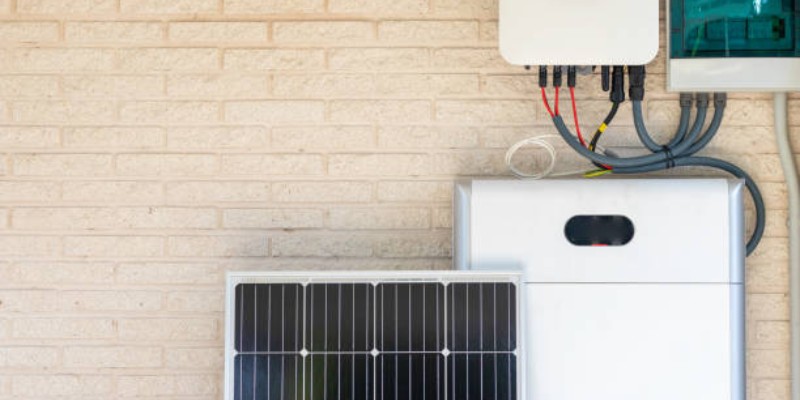
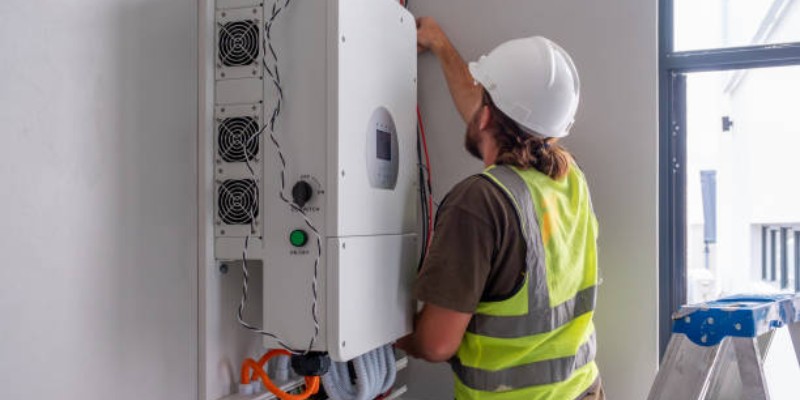
Not all batteries work with every inverter or panel setup. Compatibility matters for safety and performance.
Installers often assess current systems before recommending specific home solar batteries.
Warranty And Brand Reliability
Long warranties signal confidence in product durability. Buyers want systems that will last through years of daily charging.
Reliable performance builds trust and reduces long-term maintenance concerns.
Common Concerns Stopping Some People From Buying
Upfront cost remains a barrier for some households. Space requirements and installation complexity also cause hesitation.
Safety concerns are common but often addressed through modern battery management systems and standards supported by organizations like global safety regulators.
Are Home Solar Batteries Worth Buying Right Now
For households facing high power costs or unreliable grids, the value is clear. Immediate benefits include backup power and better energy control.
For others, waiting may make sense if incentives are unavailable. Still, many experts agree the long-term trend favors adoption, supported by research shared through renewable energy groups.
Why Home Solar Batteries Are Selling Out This Year And What Comes Next
Home solar batteries are selling out because they solve real problems people face today. Energy costs, outages, and lifestyle changes have pushed demand beyond supply.
As production scales and awareness grows, availability should improve. Even then, interest in home solar batteries is expected to remain strong as energy independence becomes a household priority.
Sources
Share this article:
Recommended For You


Most Viewed


ADVERTISEMENT